Messaging
How do I improve HighLevel email deliverability?
Authenticate the sending identity
Configure the DNS records requested by the email service, including the available SPF, DKIM and DMARC controls. Keep the sending subdomain separate from the primary website domain, align the visible sender with the authenticated identity and verify the records after every provider or DNS change.
Turn this part of the decision into a written acceptance test for “How do I improve HighLevel email deliverability?”. Record the baseline, expected change, named owner and evidence required to approve it. The test should cover consent, sender identity, deliverability, billable usage, replies, opt-outs and human handoff. Use representative records and normal operating volume, not an ideal demonstration account. Record assumptions separately from verified behaviour so a pricing or product change can be reviewed without rewriting the conclusion.
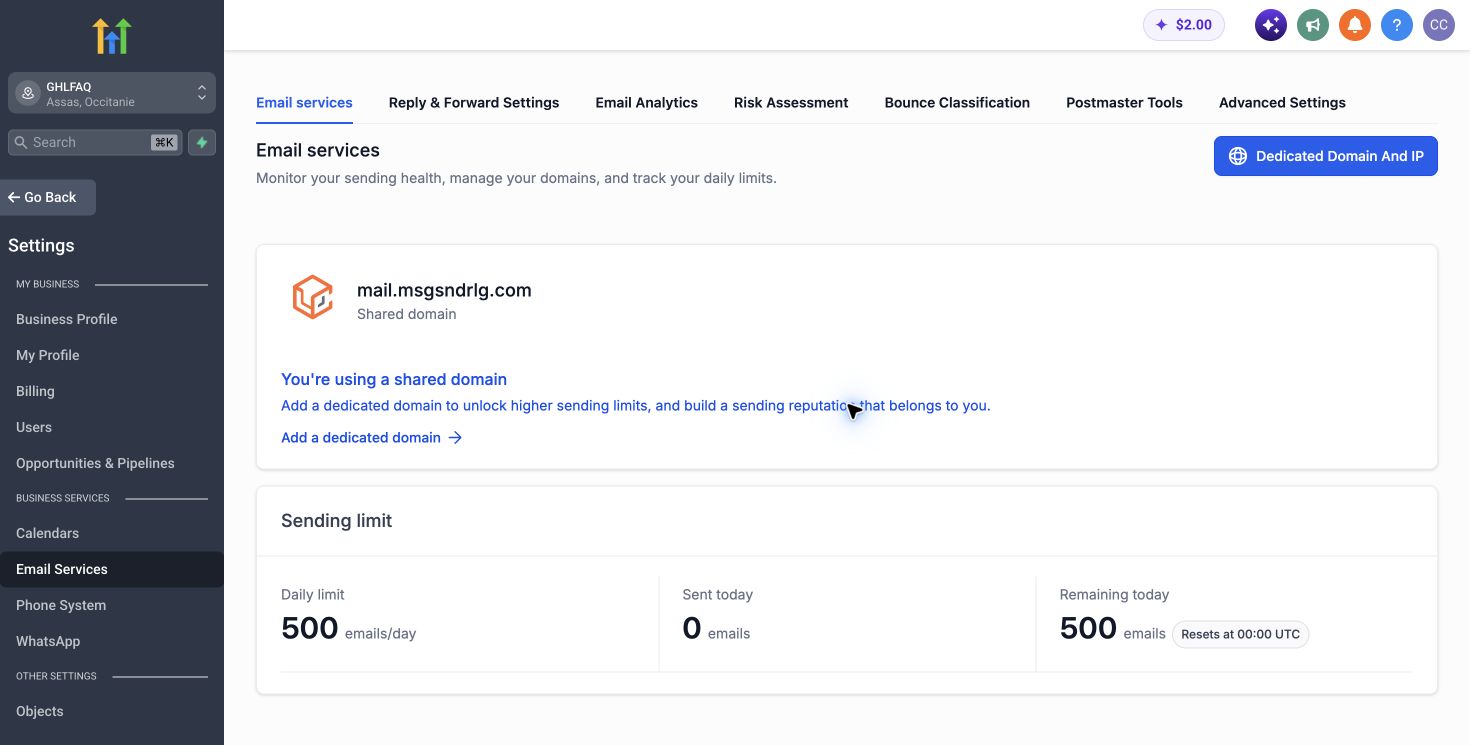
Warm volume with engaged contacts
Begin with recently engaged recipients and increase volume gradually. A new or inactive sending identity should not begin with the entire database. Keep daily volume predictable, prioritise expected messages and pause expansion when bounce or complaint signals deteriorate.
Test the recommendation with a normal case, a high-volume case and one failure case. For this question, the review should include consent, sender identity, deliverability, billable usage, replies, opt-outs and human handoff. Assign every exception to a person, define the response time and preserve a safe manual route. Capture the actual time, cost and outcome. If the process succeeds only with builder intervention or perfect data, it is not ready for wider deployment.
Control list quality and consent
Use permissioned lists, preserve the opt-in source and remove invalid, role-based or chronically inactive addresses according to a documented policy. Never import purchased lists or treat a previous commercial relationship as unlimited permission. Make unsubscribe simple and suppress recipients consistently across workflows.
Monitor reputation signals
Monitor hard and soft bounces, complaints, unsubscribes, delivery delays, replies and engagement by source, domain and campaign. Sudden changes often point to list acquisition, content, authentication or volume problems. Review reputation continuously rather than treating deliverability as a DNS task completed once.
Diagnose before scaling
When performance drops, stop scaling and isolate the cause. Check authentication, recent list additions, sending pattern, message content, links and provider feedback. Test a small clean segment after correction. Changing software or domains without fixing consent and list quality usually moves the problem rather than solving it.
How to verify this answer
What we checked
The answer is checked against the primary sources listed below and distinguishes published product facts from our operational judgement.
What can vary
Availability, limits, usage charges and interface details can vary by plan, country, account configuration and release date.
What to test yourself
Reproduce the recommendation with one representative workflow and your own data before changing a live system or buying annually.
Sources checked
Product capabilities and prices can change. These primary sources were checked for this analysis.
GHLFAQ