Where HighLevel creates real leverage
The platform combines CRM, funnels, forms, calendars, pipelines, messaging, automation and client-facing capabilities. The benefit is not the length of the feature list. It is the ability to build a workflow once, improve it and reuse it across accounts.
Unlimited sub-accounts on the $297 plan can lower software cost per client as an agency grows. Snapshots and standardised onboarding can also reduce delivery time when the underlying offer is consistent.
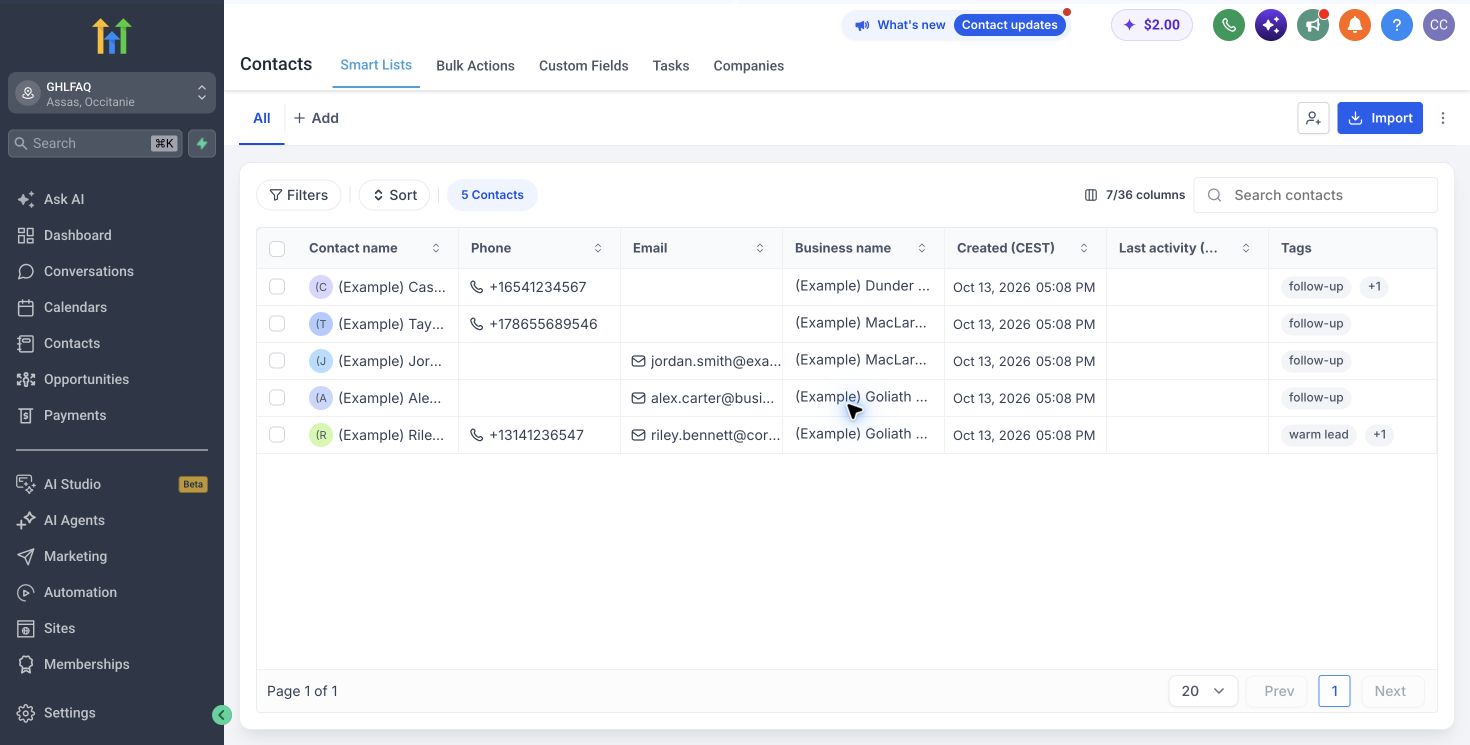
The value comes from a reusable operating system
HighLevel creates leverage when an agency turns a repeatable client journey into a controlled system. The system includes the trigger, data model, pipeline, communication, exception handling, reporting and operator responsibility. The software provides the components, but the operating design creates the result.
This distinction matters because a broad feature set can look valuable before any feature is adopted. A defensible business case names the workflows that will be standardised, the subscriptions that can be retired and the delivery time that can be reduced without lowering quality.
The strongest fit therefore appears where several client accounts share enough process to reuse the same foundations. If every client requires different stages, data, integrations and support rules, reuse falls and the platform can become another layer of custom work.
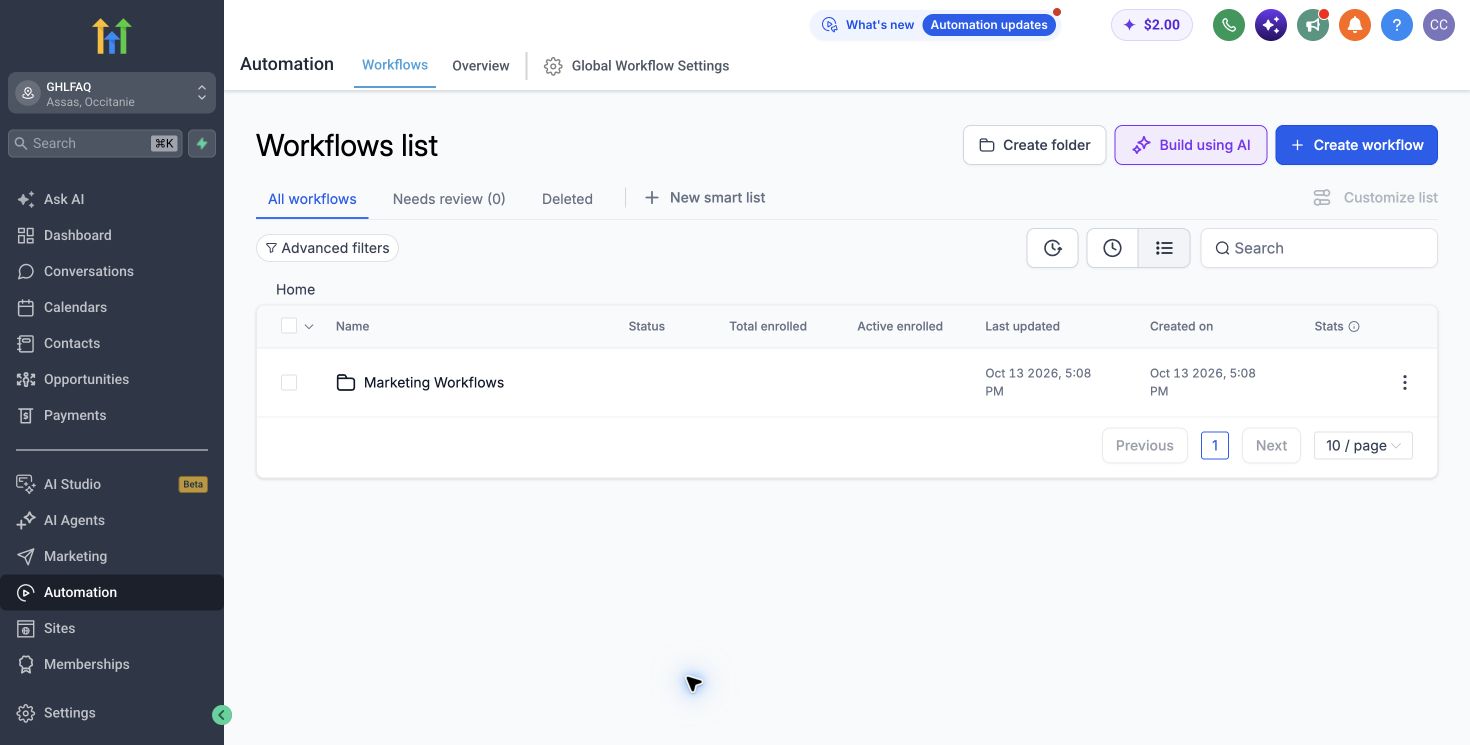
Where the all-in-one model creates friction
Breadth creates configuration, governance and training work. Teams expecting a plug-and-play replacement for every specialist product often discover that migration and exception handling are the expensive parts.
Email reputation, messaging compliance, workflow quality and data hygiene remain operating responsibilities. The platform provides infrastructure, not an automatic business outcome.
The economic case must include more than the subscription
Published plan prices are easy to compare. The more important costs are communication usage, selected add-ons, migration, dual-running, configuration, training and ongoing administration. Some specialist tools may also remain after implementation.
Count a saving only after the old cost can leave the budget. Feature overlap is insufficient. The replacement must meet the required quality, be adopted by the operator and survive representative failure cases before cancellation is responsible.
For agencies, calculate recurring cost per active paying client and contribution after support. For a single business, compare the total with measurable labour released, avoided subscriptions or additional gross contribution. Do not value time saved unless the capacity can be redeployed or removed.
Implementation risk is the central buying risk
The most common failure is not that HighLevel lacks features. It is that the buyer attempts to migrate too much, configure too broadly and train too late. The account becomes complex before one workflow has produced a reliable outcome.
Reduce this risk with one clean pilot location, synthetic or controlled data, a named owner and a seven-day activation target. Test duplicates, missing fields, opt-outs, failed messages, reassignment and operator handoffs rather than demonstrating only the ideal path.
A login, imported contact list or finished design is not activation. Use an operational result such as a correctly routed lead, a booked appointment with follow-up or a client account launched from a controlled template.
Who should buy and who should wait
Buy when you have multiple client accounts, a repeatable service, a named implementation owner and a clear workflow from lead to booked appointment or sale. Wait when your requirements are still vague, the team resists process standardisation or one specialist capability is mission critical.
- Good fit: repeatable fulfilment
- Good fit: fragmented customer journey
- Weak fit: no implementation capacity
- Weak fit: price is the only reason to switch
When a simpler or specialist stack is the better choice
A simple CRM may be the better decision when the requirement is contact management and a straightforward sales pipeline. A specialist platform may be safer when deep capability in support, analytics, accounting, commerce or another category determines the economics of the business.
HighLevel should not win merely because it contains more modules. It should win when integration across the customer journey, multi-account delivery and reusable automation matter more than maximum depth in one category.
If requirements are still vague, document the workflow before selecting any platform. Buying an all-in-one system to discover the process often produces more configuration than clarity.
The test we recommend before committing
Select one representative client journey. Build it in a clean account, hand it to the people who will operate it and record exceptions for two weeks. Measure setup time, failure points and the specialist tools that still need to remain.
A platform should improve delivery consistency, not simply recreate the existing stack behind a different interface.
This review currently combines official product documentation with a transparent operating and cost framework. It does not claim hands-on test evidence. GHLFAQ will add dated, anonymised observations only after completing the controlled HighLevel test environment.
Our buy, wait or choose simpler framework
Buy when a named workflow, operator, test dataset, success measure and implementation window are already available. Wait when the use case is plausible but ownership, migration scope or the first result remains undefined. Choose a simpler tool when the required process is narrow and multi-client reuse or journey consolidation adds little value.
A trial should answer a decision, not become an open-ended exploration. Define the result and rejection criteria before opening the account. At the end of the test, compare observed setup effort, failures, retained tools and operator confidence with the original business case.
Our current verdict is a conditional yes for process-led agencies and a conditional no for buyers seeking a shortcut around process design. That conclusion can change as pricing, product scope and controlled test evidence change.
Primary sources
Pricing and product scope change. We verify commercial facts against official pages before each update.
Bottom line