Comparison
HighLevel vs WordPress + plugins: which is better?
The practical answer
WordPress wins for content ownership, publishing flexibility and a custom web stack. HighLevel wins for a faster unified lead, booking and follow-up operating system. This is not a feature-count decision. The useful question is which operating model matches the work your team must repeat every week.
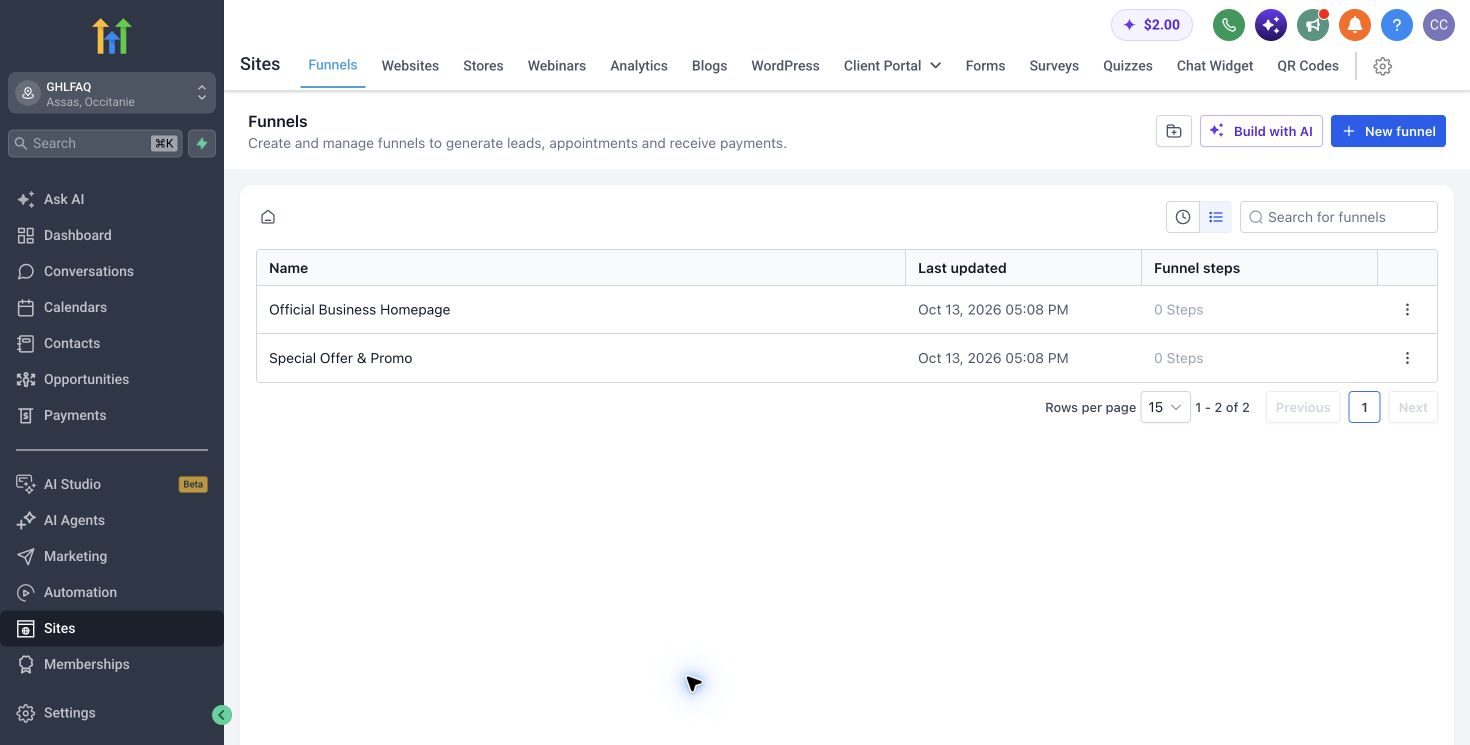
How the products differ
HighLevel is designed around multi-account delivery, consolidated conversations and reusable agency systems. WordPress is an open publishing platform extended through themes, plugins, hosting and specialist services. That difference affects ownership, permissions, reporting and the way a team serves customers after the sale.
Cost and operating model
The pricing logic is different: WordPress core is open source, but hosting, premium plugins, development and maintenance form the real stack cost; HighLevel bundles more functions into a subscription. Compare the full operating cost, including implementation, usage, integrations, support and the tools each option actually replaces. A lower subscription is not cheaper if it leaves several essential products in place.
The trade-off
WordPress + plugins's strongest advantage is content management, technical ownership and an enormous extension ecosystem. Its main trade-off in this comparison is that plugin compatibility, security, updates and cross-tool data require ongoing ownership. HighLevel's own breadth creates configuration, governance and training work, so consolidation only pays when the team can operate it well.
How to decide
Choose HighLevel when speed and one integrated conversion workflow matter more than publishing flexibility. Choose WordPress + plugins when content, seo architecture, ownership and custom web functionality are strategic assets. Build the same lead-to-revenue workflow in both trials, use the same sample records and measure setup time, operator effort and monthly cost before committing annually.
Side-by-side comparison
| Criterion | HighLevel | WordPress + plugins |
|---|---|---|
| Operating model | Broad CRM, marketing automation and client delivery under one agency account. | WordPress is an open publishing platform extended through themes, plugins, hosting and specialist services. |
| Pricing structure | Agency tiers with separately billed usage and selected add-ons. | WordPress core is open source, but hosting, premium plugins, development and maintenance form the real stack cost; HighLevel bundles more functions into a subscription. |
| Strongest advantage | Reusable multi-client delivery, sub-accounts and SaaS packaging. | Content management, technical ownership and an enormous extension ecosystem. |
| Best fit | Agencies and service businesses consolidating a repeatable lead-to-revenue workflow. | Content, SEO architecture, ownership and custom web functionality are strategic assets. |
| Main trade-off | Breadth creates setup, governance and training work. | Plugin compatibility, security, updates and cross-tool data require ongoing ownership. |
Choose HighLevel when
Speed and one integrated conversion workflow matter more than publishing flexibility.
Choose WordPress + plugins when
Content, SEO architecture, ownership and custom web functionality are strategic assets.
How to verify this answer
What we checked
The answer is checked against the primary sources listed below and distinguishes published product facts from our operational judgement.
What can vary
Availability, limits, usage charges and interface details can vary by plan, country, account configuration and release date.
What to test yourself
A fair comparison uses the same workflow, data sample, users and success measure in both products. Do not compare a configured system with an untouched trial.
Sources checked
Product capabilities and prices can change. These primary sources were checked for this analysis.
GHLFAQ