Fit
Is HighLevel good for a small business?
The short verdict
HighLevel can be a good small-business system when the company has a repeatable path from enquiry to appointment or sale and loses revenue through slow follow-up, missed calls or disconnected tools. Company size is less important than workflow complexity. A five-person service business with regular inbound leads may benefit more than a larger company that only needs a contact database.
The small-business use case that fits
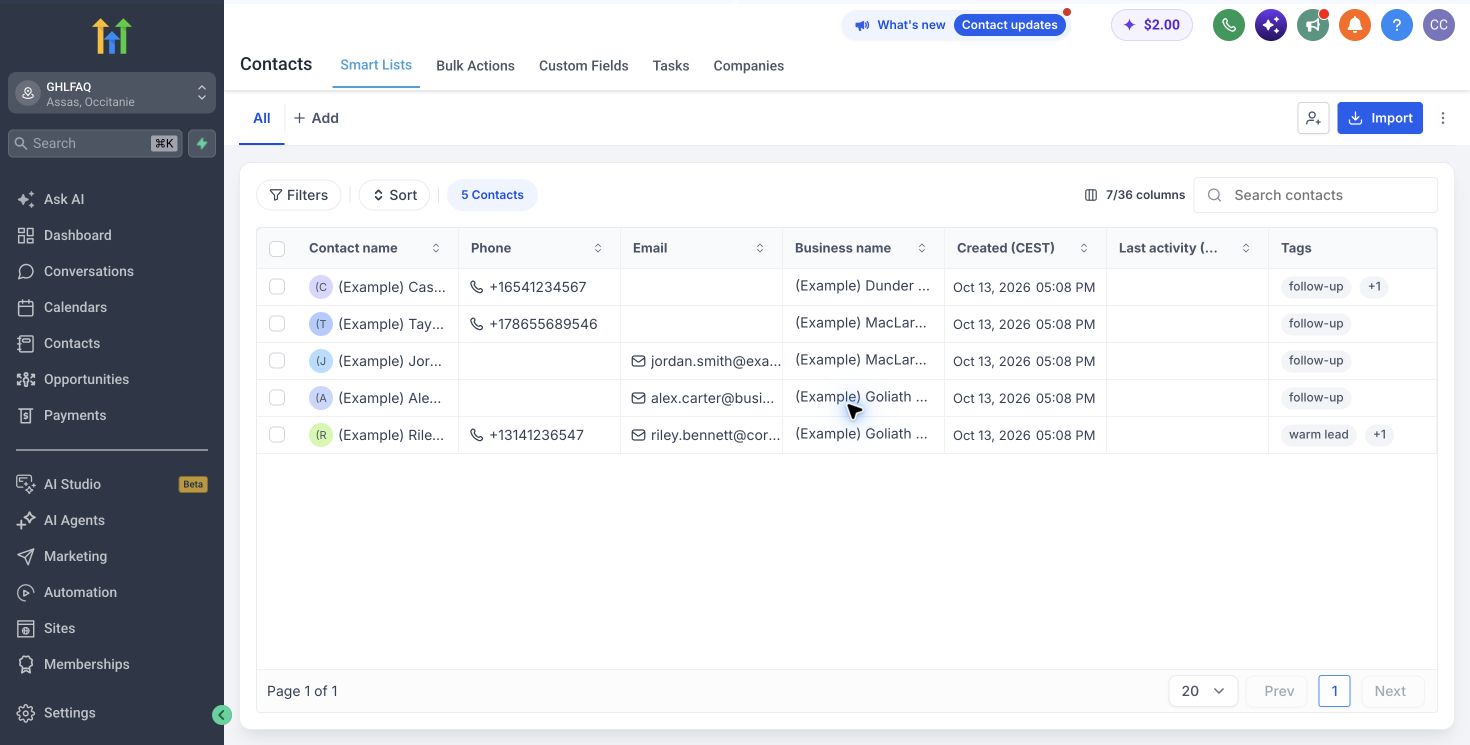
The strongest use case combines a lead source, form or chat, pipeline, calendar, two-way communication, reminders and review requests. Local services, consultancies and appointment-led businesses can keep that journey in one place. The benefit is not the number of features. It is the reduction in missed handoffs and the ability to see what happened to each lead.
The minimum operating model
A small team still needs a named owner. That person should maintain fields, pipeline stages, user access, calendars, templates, consent rules and failed automations. HighLevel does not require a full-time administrator for a modest setup, but it does require someone who can investigate exceptions and prevent the system from becoming an unattended collection of workflows.
The real cost test
Budget beyond the subscription. Include communication usage, phone numbers, optional AI or premium products, implementation, migration and staff time. Then compare that total with tools that can actually be cancelled and labour that can actually be avoided. If the business retains its existing email, phone, booking and CRM products, the consolidation case becomes much weaker.
A practical 30-day pilot
Use a 30-day pilot built around one revenue-critical journey. Import a small clean contact set, connect one calendar and lead source, configure a short follow-up sequence and define a manual escape route. Measure lead response time, booked appointments, no-shows, staff handling time, failures and wallet spend. Do not migrate every process before this first journey works.
When a simpler product wins
A simpler CRM, scheduler or email platform is usually better when the requirement is only contact storage, occasional newsletters or basic appointment booking. It may also be safer when nobody can own configuration, lead volume is very low, or the business depends on specialist inventory, clinical, financial or field-service functions that HighLevel is not intended to replace.
The decision rule
Choose HighLevel when one tested workflow produces measurable value, an internal owner is named and the complete monthly cost is justified by recovered revenue or retired tools. Wait when processes are still changing or data is not ready. Choose a narrower product when most HighLevel capabilities would remain unused for the next year.
How to verify this answer
What we checked
The answer is checked against the primary sources listed below and distinguishes published product facts from our operational judgement.
What can vary
Availability, limits, usage charges and interface details can vary by plan, country, account configuration and release date.
What to test yourself
Reproduce the recommendation with one representative workflow and your own data before changing a live system or buying annually.
Sources checked
Product capabilities and prices can change. These primary sources were checked for this analysis.
GHLFAQ